
Start with your recovery instructions
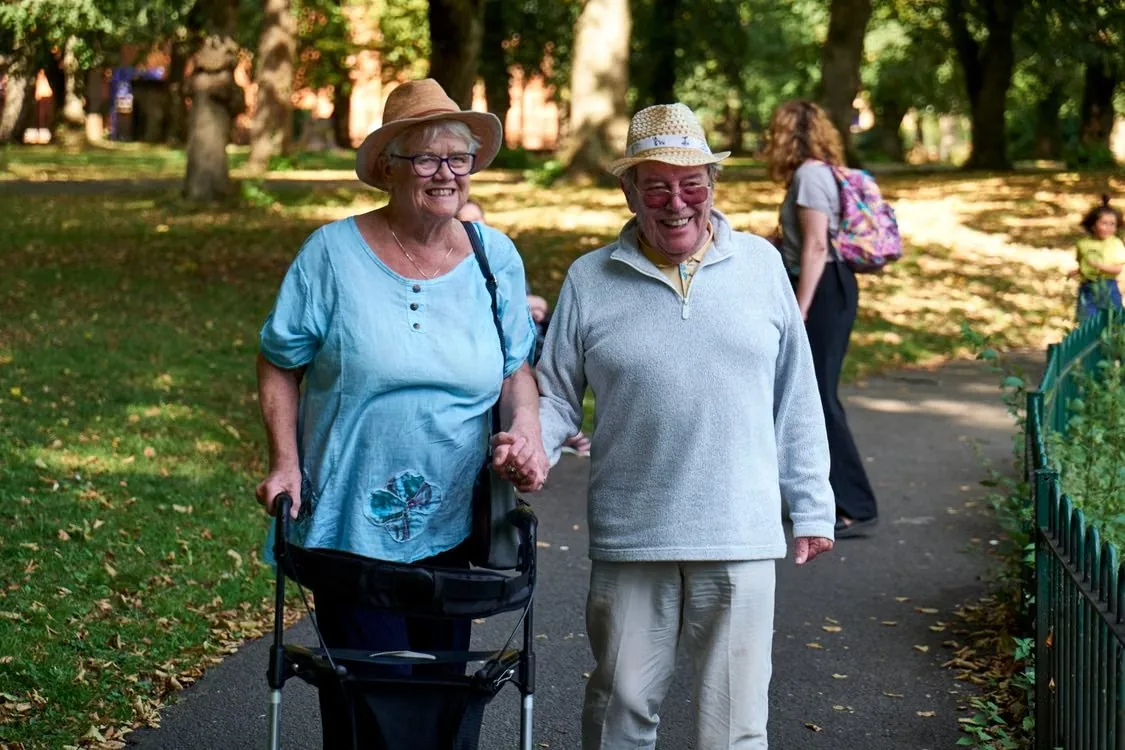
Strength can often be rebuilt after illness or treatment, but the starting point should reflect what happened to your body and what your healthcare team has advised. Recovery is not a race back to your previous workouts. A useful first goal might be getting out of a chair more comfortably, preparing a meal or walking to a nearby shop.
After surgery, follow the written discharge advice about movement, lifting, wound care and any weight-bearing restrictions. Different operations need different precautions. Advice given to a friend after another procedure may be unsuitable for you. Ask your surgical team or physiotherapist what you can do now, what to avoid and what needs to happen before you progress.
Why familiar activities can feel harder
Time spent less active can reduce your tolerance for everyday tasks. Pain, poor sleep, reduced food intake and treatment effects can also affect your capacity. Feeling weak does not identify the cause: persistent or worsening weakness deserves assessment, especially if it is unexpected or accompanied by other symptoms.
It helps to describe the problem precisely. Is it difficult to stand, climb stairs, carry something, raise an arm or keep your balance? Is one side different from the other? Does the problem occur immediately or after several minutes? These observations can help your clinician choose an appropriate assessment.
Think in terms of function
Choose one or two activities that matter to you. Write down what currently makes them difficult and what a modest improvement would look like. For example, the aim might be moving between rooms with less assistance. Your goal should fit your present circumstances, including help available at home.
Ask whether your existing rehabilitation exercises already address that goal. If you were given a programme, keep using it as instructed rather than replacing it with an internet routine. Ask for a review if you cannot perform it, do not understand a movement or find that pain or swelling prevents participation.
Build a manageable movement routine
When your care team agrees, begin with manageable amounts of movement separated by recovery time. This might involve a short walk indoors, gentle changes of position or prescribed range-of-movement exercises. There is no universal starting duration or daily target after illness. A small amount that you can repeat comfortably can be more useful than an exhausting session followed by days of inactivity.
Prepare your environment before you begin: clear the floor, wear suitable footwear and keep any prescribed walking aid within reach. If you feel unsteady, ask for help rather than practising unsupported balance tasks. Online classes cannot provide physical assistance if you fall.
Introduce strength work with the right support
Resistance exercise makes muscles work against a load, which can include your own body weight. Depending on your restrictions, a professional might select a supported sit-to-stand or a light arm exercise. These are examples to discuss, not instructions that are safe after every operation. Some movements place stress on healing tissue even when they look gentle.
Ask the person guiding you to explain the starting dose, breathing, technique and stopping rules. Begin below your previous capacity. Progress one element at a time, such as movement range, repetitions or resistance, after you are managing the current level. Increasing everything together makes it harder to understand what caused a problem.
Use your response to guide the next step
Notice how you feel during the activity, later that day and the following day. Mild temporary muscle soreness can occur when restarting exercise, but sharp pain, increasing swelling, wound symptoms or an unusually large increase in fatigue need a different response. Do not assume that every symptom means you need to push harder.
A brief record can include the activity, how manageable it felt and whether it affected essential tasks afterwards. Bring it to a review. Progress may be uneven, so compare meaningful changes over time rather than judging yourself against a single difficult day. Reduce the activity and seek advice when symptoms are not settling as expected.
Recovery also needs rest, food and practical help
Movement is one part of recovery. Follow your team’s advice about food, fluids and medication. Ask for nutritional support if you have poor appetite, difficulty eating or unintended weight loss. A generic weight-loss diet may be inappropriate when your body needs support for recovery.
Plan demanding tasks for a time when you have more energy, and arrange help with lifting, transport or shopping while restrictions apply. Rest does not need to mean remaining in bed all day; equally, recovery time is not a failure. Your plan should make room for both activity and rest.
When to get medical help
Stop and seek medical advice for new or worsening symptoms. Follow your discharge instructions if you develop fever, a wound that is increasingly red or leaking, increasing pain or new swelling. New one-sided calf or leg pain and swelling require prompt assessment, particularly after surgery.
In the UK, call 999 for severe difficulty breathing, chest pain with serious symptoms, collapse or sudden stroke symptoms such as facial droop or one-sided weakness. For urgent problems that are not immediately life-threatening, use your clinical team or NHS 111. Outside the UK, use local urgent and emergency services. Exercise should never delay assessment.
Questions to take to your next appointment
Ask: Which movements are appropriate now? Are there lifting or weight-bearing limits? What response is expected after exercise? What should make me stop? Who can review my programme if recovery stalls? A clear answer is more valuable than a generic timetable.
MOLA CLUB offers exercise and wellbeing support subject to suitability. If you need postoperative rehabilitation or assessment of unexplained weakness, start with the relevant clinical service. Once your needs and restrictions are clear, adapted movement support may help you build a sustainable routine.
References & further reading
- NHS: Getting back to normal after surgery
- NHS: Enhanced recovery
- Macmillan Cancer Support: Exercising safely with cancer
- NHS South West London: Recovering after surgery
Sources checked on 28 October 2026. Referencing an organisation does not imply its endorsement of MOLA CLUB.