Movement may support function, but it is not a guaranteed nerve treatment
Adapted exercise can help some people work on strength, confidence, walking and balance when peripheral neuropathy affects daily life. It may also help symptoms for some people, but it cannot promise to repair nerve damage or remove pain. The cause and pattern of neuropathy matter. New tingling, numbness, weakness or a change in balance should be assessed rather than managed only through a class.
Neuropathy can occur with diabetes, some cancer treatments and other conditions. Symptoms that appear during chemotherapy should be reported to the cancer team promptly, even if mild. Decisions about a cancer drug or dose belong to that team; do not stop or alter treatment yourself.
Why sensation changes can affect movement
Nerves carry information between the body and the brain. Changes in sensation can make it harder to judge where the feet are or notice pressure, heat and small injuries. Weakness may affect walking or the ability to lift the front of the foot. Some people also feel dizzy on standing. These experiences call for different adaptations, so a single “neuropathy workout” cannot meet every need.
Not all pain is neuropathic pain and not every balance problem is caused by neuropathy. A clinician may assess sensation, strength and reflexes and investigate an underlying cause. Treatable contributors should not be overlooked because symptoms are assumed to be an unavoidable part of ageing or cancer recovery.
What exercise can reasonably aim to do
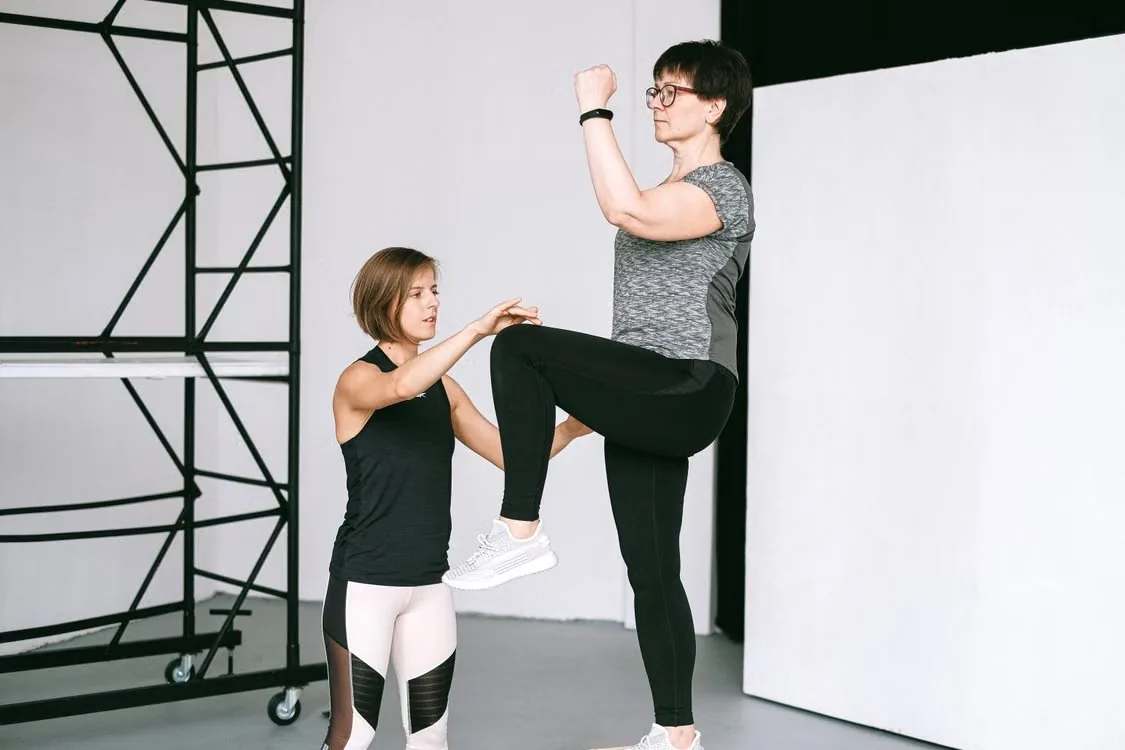
Useful goals might include rising from a chair more confidently, maintaining strength, finding a comfortable activity option or moving around the home more safely. A physiotherapist can assess specific problems and advise on aids or supports when needed. Occupational therapy can help when hand symptoms or balance affect dressing, cooking and other daily tasks.
For cancer-related neuropathy, research into exercise is developing. Symptom improvement is possible for some people, but results should not be presented as proof that nerves have regenerated. Continue appropriate medical care and review whether your chosen activity is helping the goals that matter to you.
Build safety into the setting
Choose a clear, well-lit space. Remove loose rugs and cables and keep walking routes uncluttered. If you need support, use something stable and follow professional advice about walking aids. Do not practise challenging balance positions alone beside furniture that could move. Closing the eyes or standing on an unstable surface is not a necessary starting point.
Reduced feeling in the feet can hide a blister or pressure injury. Wear suitable footwear and check the skin regularly, following any diabetes or foot-care advice you have received. Do not exercise over a foot wound without clinical advice. Reduced temperature sensation also means hot surfaces and heat-based treatments need particular caution.
Choose activities around your symptoms
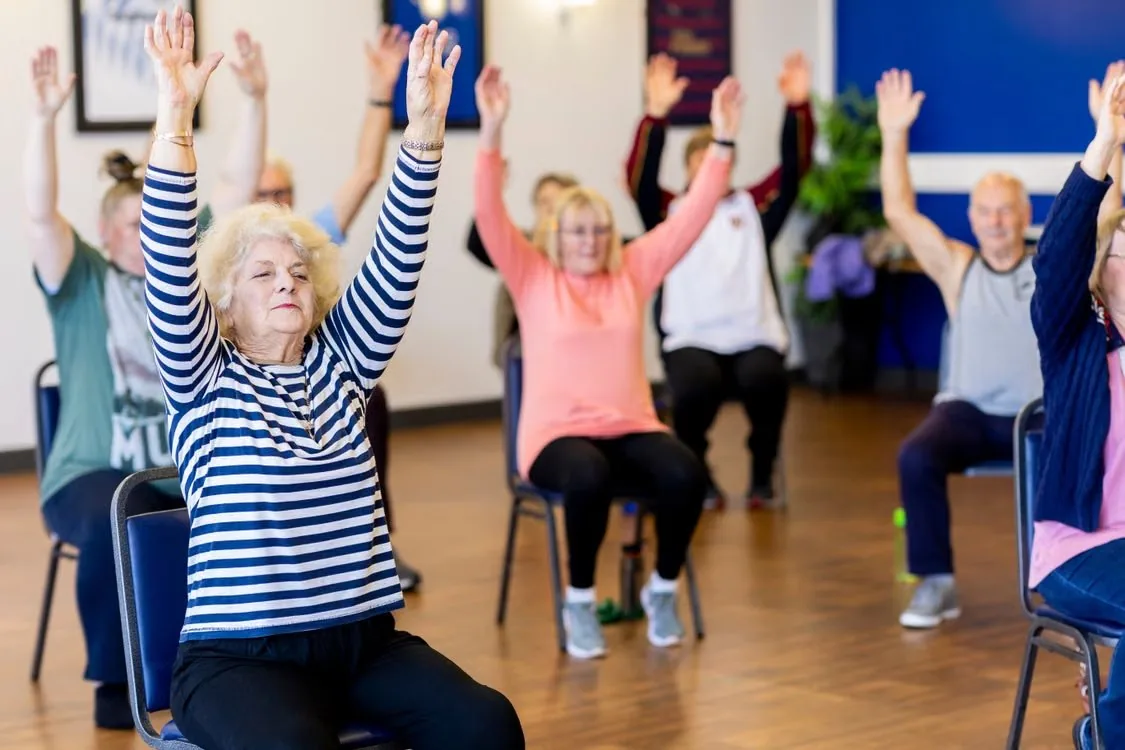
Someone who is unsteady may need a supported or seated option rather than brisk walking on uneven ground. If hand sensation or grip is reduced, loose weights and resistance bands may be difficult to control. An instructor should adapt the equipment and task instead of assuming that a lighter weight solves every risk.
A first session can be an opportunity to learn an appropriate option rather than a test of endurance. Ask for a plan that explains how much to do, what support to use and when to pause. If a movement increases pain or tingling, changes your walking or feels unsafe, stop and discuss it before trying to progress.
Pain management may need more than movement
Nerve pain can interfere with sleep, mood and daily activity. It may need treatments prescribed for neuropathic pain rather than repeated use of ordinary painkillers. Discuss persistent pain with a clinician or pharmacist instead of increasing medicines yourself. Some medicines can cause dizziness or drowsiness, which may also change the safest time or setting for exercise.
Keep a brief note of what you tried and how daily function felt afterwards. A useful review asks whether the activity is tolerable and meaningful, not whether you can ignore more pain. There is no need to buy supplements, vibration devices or an expensive programme on a promise of nerve repair. Ask what evidence supports a proposed treatment and what uncertainty remains.
When to seek medical help
Contact your GP or cancer team for new or worsening numbness, weakness, balance difficulty, repeated falls or a foot injury that is not healing. New difficulty lifting the foot, rapidly changing symptoms or inability to walk safely needs prompt assessment. Do not wait for a routine fitness review to report these changes.
Sudden one-sided weakness, facial drooping or speech difficulty can indicate an emergency rather than ordinary neuropathy: call 999 in the UK. Severe breathing difficulty or collapse also requires emergency help. NHS 111 can advise on urgent non-emergency concerns. Outside the UK, use the appropriate local service.
Frequently asked questions
Should I push through numbness to stimulate the nerves? No. More sensation during an exercise does not prove that the activity is repairing a nerve. Follow an individual plan and report changes.
Can I join an online balance class? Possibly, after suitability is considered. If you need physical assistance or have frequent falls, an online group may not provide enough support.
Does less pain mean I can stop checking my feet? No. Pain and protective sensation are different. Continue recommended skin and foot care even when symptoms improve.
References & further reading
- NHS: Peripheral neuropathy
- NHS: Peripheral neuropathy symptoms
- NHS: Peripheral neuropathy diagnosis
- NHS: Peripheral neuropathy treatment
- Macmillan Cancer Support: Peripheral neuropathy
- Macmillan Cancer Support: Exercising safely
- Gloucestershire Hospitals NHS: SACT side effects — peripheral neuropathy
- NHS: Symptoms of a stroke
Sources checked on 28 October 2026. Referencing an organisation does not imply its endorsement of MOLA CLUB.