
Begin with the reason for your weakness
Regaining strength after chemotherapy usually involves a gradual, individual approach to movement, adequate nourishment and attention to treatment-related problems. Resistance exercise may be part of that approach. First, tell your cancer team about weakness, particularly if it is new, worsening or limiting everyday activities.
Not all weakness is simply a loss of fitness. Reduced activity and difficulty eating may contribute, but treatment effects and other medical problems can also matter. Your team can decide whether you need an assessment, investigations, dietary support or a referral before increasing exercise.
Describe what has changed
Think about what “weak” means in your daily life. Are you struggling to rise from a chair, carry shopping or lift your arms? Do your legs feel heavy, or do your feet feel numb and unreliable? Is the difficulty equal on both sides? Do you tire rapidly despite feeling able to produce force at first?
These distinctions help guide the conversation. Make a short list of tasks you want to regain and any symptoms that appear while doing them. Bring details of your treatment, current medicines, recent falls and any restrictions you were given. Avoid diagnosing yourself from a list of possible side effects.
Agree a safe starting point
Ask your cancer team which activities are suitable now and whether any blood-test results, infection risk, heart symptoms, bone involvement or treatment lines affect the plan. Bone fragility, recent surgery and other conditions can require specific adaptations. A generic online strength routine may not account for them.
If you have tingling, reduced sensation, grip problems or poor balance, mention these before choosing weights or standing exercises. A clinical exercise physiologist or physiotherapist with relevant cancer experience can help assess the task and select a safer position, resistance and support.
What resistance exercise can involve
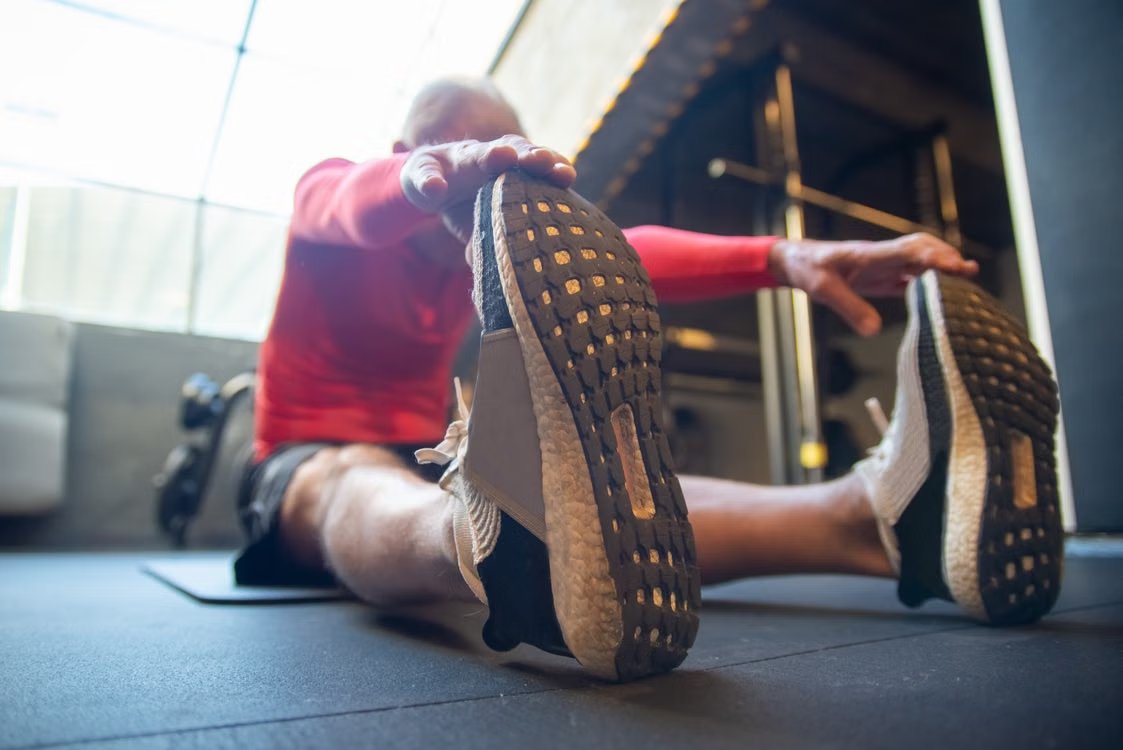
Strength work means making your muscles work against resistance. That resistance may be your own body weight, a band, a machine or a handheld weight. The best tool is the one that fits your needs and can be used safely; buying heavier equipment is not the first step.
For some people, supported chair rises or a light upper-body exercise may be useful starting options. These are examples for a professional discussion, not a universal programme. Ask for instruction on technique, breathing, effort, rest between attempts and when to stop. A modest starting level can build confidence without making the rest of the day unmanageable.
Progress gradually and check recovery
Use a plan that you can repeat. Complete an agreed amount with controlled movement and allow recovery between strength sessions. When the present level becomes manageable, discuss changing one feature, such as repetitions or resistance. There is no single number of weeks that guarantees recovery after chemotherapy.
Notice your response during exercise, later that day and the following day. If you repeatedly become much more exhausted, develop increasing pain or lose the ability to manage basic tasks afterwards, reduce the activity and ask for a review. Sharp pain, dizziness, chest symptoms or sudden breathlessness are reasons to stop, not training milestones.
Combine strength with everyday movement
A strength programme need not occupy your whole day. Suitable short walks, comfortable mobility exercises and everyday movement may help you return to a broader routine. If balance is affected, get advice before walking on uneven ground or taking on unsupported exercises.
Plan activity around your treatment pattern and the times you usually have more energy. You can use a simple record: what you did, how it felt and how you recovered. A smaller session on a difficult day can be a reasonable adjustment when your care plan allows it. Trying to catch up with a much harder session can make pacing more difficult.
Food and muscle recovery belong in the same conversation
If you are losing weight without trying, eating less or struggling with taste changes, nausea or swallowing, ask your team for help. Cancer-related muscle loss can involve more than inactivity; exercise alone may not resolve it. A registered dietitian can advise on intake in the context of your treatment and other health conditions.
Protein supports tissue repair, but there is no need to assume everyone needs the same supplement or a bodybuilding diet. Ordinary foods may be enough for some people, while others need individual nutritional support. Avoid restrictive diets or unverified supplements intended to “detox” chemotherapy. Discuss products with your clinical team before using them.
Know when to contact your team urgently
During or after chemotherapy, follow the emergency number and temperature instructions your team gave you. Contact them immediately if you feel suddenly unwell or have possible infection, even if you do not have a fever. Do not attend an exercise class while waiting to see whether concerning symptoms improve.
New limb pain, swelling or warmth can require urgent assessment. In the UK, call 999 for severe breathing difficulty, collapse, serious chest symptoms or sudden signs of stroke. If you are unsure how to contact your cancer team for an urgent issue, NHS 111 can help. Outside the UK, use local urgent or emergency services.
Judge progress by what matters to you
The useful outcome is not only the weight lifted. Getting dressed with less difficulty, managing a short trip or feeling steadier at home may be important gains. Review these goals with your professional and change the plan when your health, treatment or priorities change.
MOLA CLUB offers adapted exercise and wellbeing support subject to an individual suitability review. It does not replace medical investigation, oncology care, clinical rehabilitation or dietetic treatment. Begin with your healthcare team if the cause of weakness is unclear; exercise support should complement that care.
References & further reading
- Cancer Research UK: Exercise and cancer
- Macmillan Cancer Support: Types of physical activity
- Cancer Research UK: Boosting energy and protein in everyday foods
- Cancer Research UK: How cancer causes diet problems
- Macmillan Cancer Support: Side effects of chemotherapy
Sources checked on 28 October 2026. Referencing an organisation does not imply its endorsement of MOLA CLUB.