A useful answer, without a promise
Regular physical activity is associated with a lower risk of premature death and supports several aspects of health. This does not mean a particular workout can guarantee extra years of life. Individual outcomes depend on many factors, including age, existing illness, treatment, environment and chance. A more useful aim is to build a routine that supports both health and the activities you value now.
Headlines often turn a finding about groups of people into a promise for one person. They may also combine very different activities, populations and study designs. Understanding what a study measured helps you make sense of its result without dismissing the evidence or expecting certainty that research cannot provide.
Association is not the same as causation
Many studies follow people over time, compare their reported or measured activity and record later health outcomes. These observational studies can reveal consistent relationships. However, more active people may differ in income, smoking, diet, access to healthcare or underlying health. Researchers try to account for these differences, but cannot necessarily remove them completely.
The direction of the relationship can also be complicated. A person may move less because an undiagnosed illness is already developing. This is called reverse causation. Careful study designs try to reduce this problem, for example by considering earlier health or excluding deaths soon after activity measurement. These methods improve interpretation but do not make every observational finding a proven causal effect.
Why cardiovascular health matters
Physical activity supports fitness and can help manage established cardiovascular risk factors. Public health recommendations draw on the overall pattern of evidence rather than a single striking result. Benefits can include preserving the capacity to carry out daily tasks, which is meaningful even if a study cannot predict your individual lifespan.
Different outcomes also need to be separated. Lower blood pressure, fewer heart events, better physical function and lower mortality are related questions, but they are not interchangeable measurements. A short programme that improves a fitness test has not automatically demonstrated that it prevents death. Look for the actual outcome and length of follow-up before accepting a headline.
What about cancer survival?
Evidence about activity and cancer outcomes varies by cancer type, stage, treatment and the question being asked. Improving fatigue or strength is different from preventing recurrence. Observational associations should not be presented as proof that exercise stops cancer returning, and outcomes from one group cannot simply be transferred to every person affected by cancer.
There is also important randomised evidence. The 2025 CHALLENGE trial studied 889 people with resected colon cancer who had completed adjuvant chemotherapy. A three-year structured exercise programme produced better disease-free survival than health education materials alone, with findings consistent with improved overall survival. Musculoskeletal adverse events were more common with exercise. This supports a specific programme in a defined population, not a universal cancer cure or a guarantee from an ordinary class.
Understanding risk numbers
A relative reduction compares one group with another; an absolute difference tells you how far apart their actual event rates were. A large relative figure can correspond to a small absolute change when the starting risk is low. Neither number tells you precisely what will happen to one individual.
Also ask whether a result reflects all-cause death, death from one disease, or a combined outcome. A combined outcome might include recurrence, another diagnosis and death. A headline that labels all of these simply as survival can hide useful detail. If a figure affects a treatment decision, discuss the original study and your own circumstances with your healthcare team.
Turn evidence into an achievable routine
UK guidance encourages adults to be active daily, work towards at least 150 minutes of moderate activity each week and include strengthening on at least two days. These are broad health goals. They do not mean everyone should start there, particularly during treatment, after surgery or with significant symptoms. Adaptation and gradual progression matter more than copying a high-volume routine.
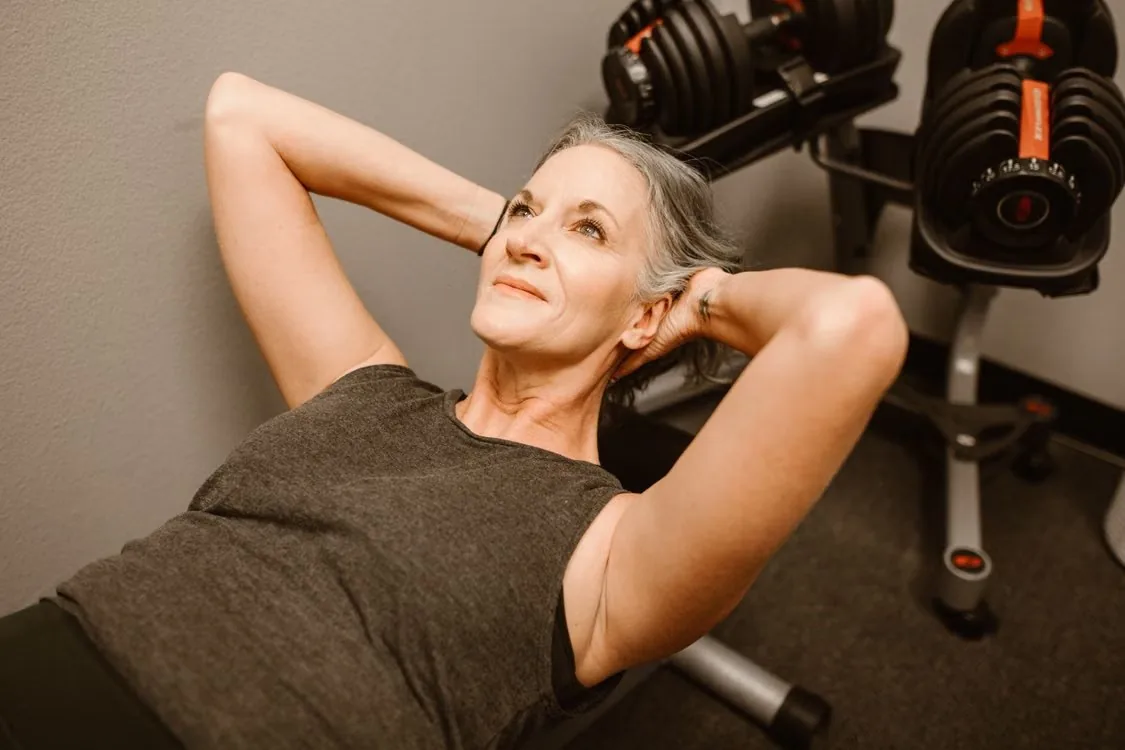
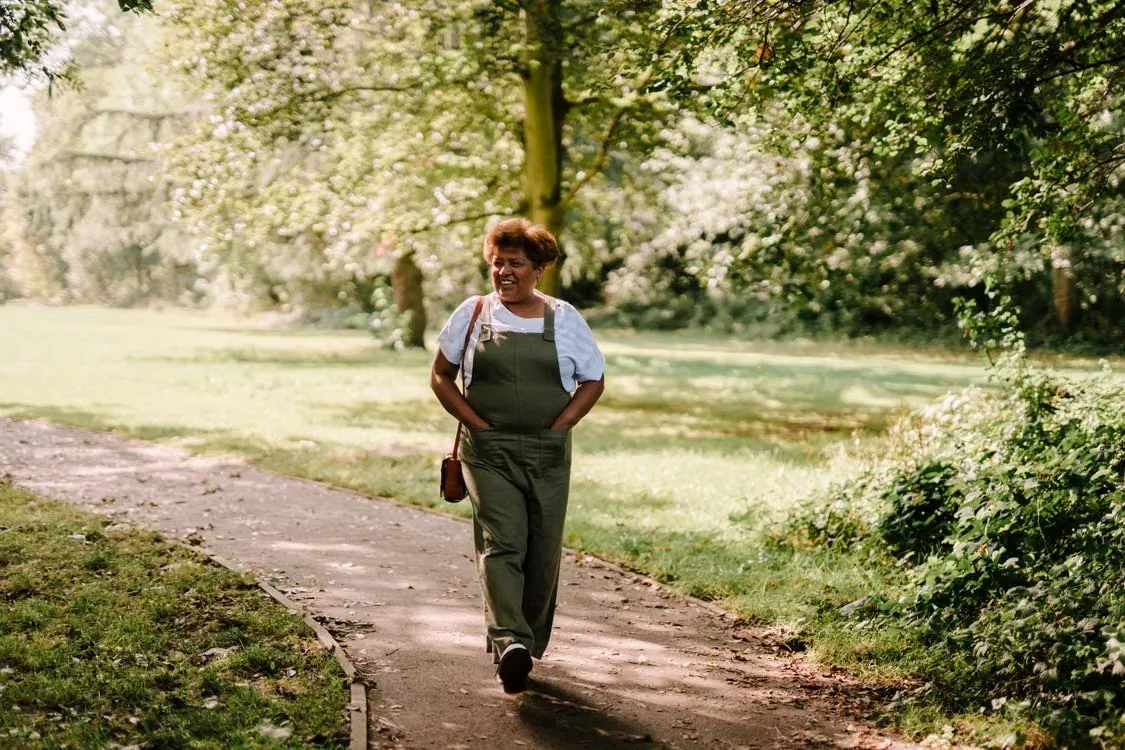
Choose an activity you can access and return to. You could identify a manageable walking route, practise an appropriate strength movement or arrange an adapted session. Put the activity beside an existing habit, prepare what you need and review practical obstacles. If your first plan is too demanding, make it smaller. Consistency does not require ignoring illness, fatigue or medical advice.
Health includes what life feels like
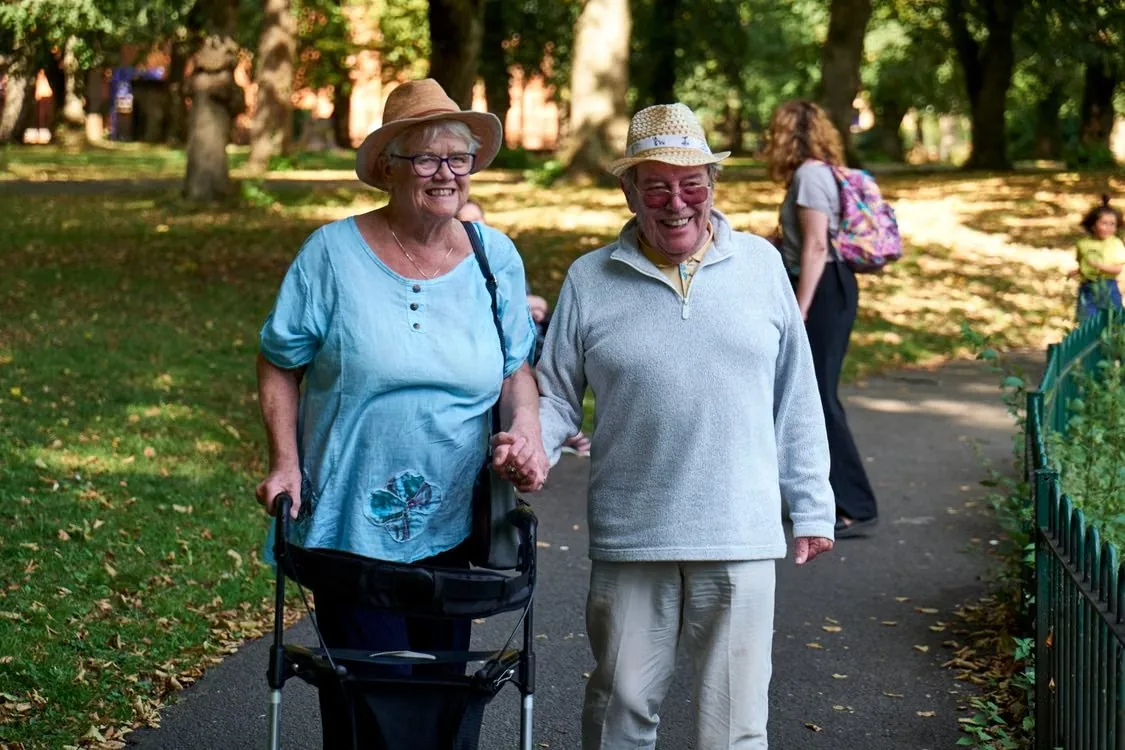
Being able to visit a friend, climb stairs or feel more confident moving can be valuable outcomes. These goals make progress visible without relying on claims about biological age or adding years to life. Avoid comparing your activity with someone whose health, time and support are different from yours.
Movement works alongside medical care and other health needs, rather than cancelling them out. Do not postpone screening, change prescribed treatment or ignore new symptoms because you exercise. Stop and seek help for concerning symptoms. In the UK, severe breathing difficulty, concerning chest tightness or collapse requires emergency help via 999; elsewhere use the local emergency service.
References & further reading
- WHO: Physical activity
- NHS: Benefits of exercise
- UK Chief Medical Officers: physical activity guidelines
- Courneya et al. 2025: Structured Exercise after Adjuvant Chemotherapy for Colon Cancer
- Original CHALLENGE trial publication, NEJM
Sources checked on 28 October 2026. Referencing an organisation does not imply its endorsement of MOLA CLUB.