
Movement is part of care
Physical activity can support health and everyday function when you live with a long-term condition. It can complement treatment for conditions including type 2 diabetes, cardiovascular disease and osteoarthritis. It does not replace medicines, medical assessment or a condition-specific rehabilitation programme. The useful question is not whether you can copy a standard workout, but what movement fits your current health, symptoms and goals.
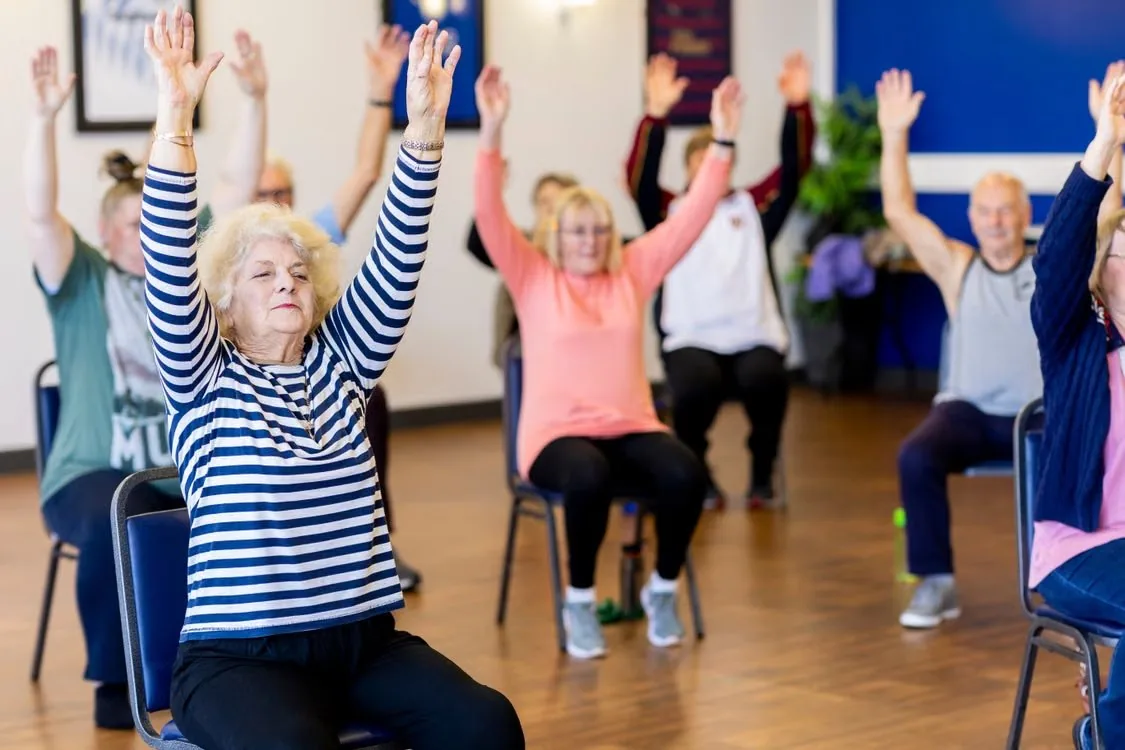
Activity includes much more than sport. Walking to the shops, wheeling, moving around the kitchen, gardening and adapted seated exercise can all be relevant. Structured sessions add opportunities to practise particular skills, such as getting out of a chair or improving balance. An activity does not need to look impressive to matter in your daily life.
Type 2 diabetes: planning beyond calories
Active muscles use glucose, and regular movement can help the body respond to insulin. Activity can also support blood pressure, fitness and wellbeing. However, exercise is not a reason to stop or independently change diabetes medication. Your diabetes team can help you understand how the activity you choose fits your treatment.
If you use insulin or medicines that can cause low blood glucose, discuss monitoring and hypo prevention before changing your routine. Carry your usual hypo treatment and follow the plan agreed with your team. Sweating, shaking, dizziness or confusion should not simply be dismissed as exertion. Foot problems, reduced sensation and eye complications can also affect which activities are appropriate.
Cardiovascular conditions: the right setting matters
Regular physical activity supports cardiovascular health, but advice differs after a recent heart event, with unstable symptoms or with certain heart conditions. A cardiac rehabilitation service may provide the appropriate starting point. A general online movement class should not be treated as an equivalent replacement for that service.
Ask your care team about suitable effort levels and any individual restrictions. Medicines may affect heart rate, so a number on a watch is not always a reliable guide. Keep your prescribed symptom-management plan available. Stop if you develop chest discomfort, unusual breathlessness, dizziness or palpitations, and seek appropriate medical advice rather than trying to complete a target.
Arthritis and persistent pain
For osteoarthritis, NICE recommends exercise tailored to the person, including muscle strengthening and general fitness work. Some discomfort can occur when starting. A suitable plan balances consistency with an appropriate starting load and a review of your response. Exercise is not intended to rebuild every damaged joint or guarantee pain-free movement.
Persistent pain also deserves an individual approach. NICE supports supervised group exercise for chronic primary pain, taking needs, abilities and preferences into account. This recommendation does not mean all unexplained pain is harmless. New pain, rapid changes or pain alongside other concerning symptoms may need assessment. A familiar symptom and a new injury should not automatically receive the same response.
How much should you do?
UK adult guidance includes building towards at least 150 minutes of moderate activity weekly and strength activity on two or more days. These are public health goals, not a starting prescription for every person with a chronic condition. If you are currently very limited, a small amount suited to your ability may be the appropriate first step.
You might start by identifying an everyday task you want to make easier. Examples include walking to a bus stop, carrying light shopping or standing more comfortably to prepare food. Discuss relevant limitations with a professional, choose a manageable activity and review how you feel during and afterwards. Increase one aspect at a time rather than duration, resistance and frequency together.
Make a routine you can repeat
Practical arrangements often decide whether a programme is sustainable. Choose an accessible space, a stable chair if needed, appropriate footwear and an activity you enjoy. Keep essential medicines and your phone accessible. For an online session, tell the instructor about relevant movement restrictions through the agreed secure process; a screen cannot replace an examination or hands-on assistance.
Record useful observations rather than judging yourself only by steps or calories. You could note what you did, whether your usual symptoms changed and whether daily tasks felt more manageable. Bring this information to reviews. If repeated sessions leave you significantly worse, pause progression and ask for advice. Needing an adaptation is information about the plan, not a personal failure.
When movement should wait
Call 999 in the UK for severe breathing difficulty, chest tightness or heaviness with concerning symptoms, collapse or sudden confusion. Seek urgent advice for new or worsening breathlessness, coughing blood or one-sided leg pain and swelling. Outside the UK, use the local emergency or urgent care service.
Arrange a routine review if symptoms are gradually limiting normal activities, you are falling, or you cannot find a tolerable starting level. Some people need a physiotherapy, cardiac, pulmonary or other specialist assessment before a general class is suitable. MOLA CLUB can discuss exercise and wellbeing options, but participation must fit your clinical care and individual suitability.
References & further reading
- WHO: Physical activity
- UK Chief Medical Officers: physical activity guidelines
- Diabetes UK: Exercise and diabetes
- NICE NG226: Osteoarthritis recommendations
- NICE NG193: Chronic pain recommendations
- NHS: Shortness of breath
Sources checked on 28 October 2026. Referencing an organisation does not imply its endorsement of MOLA CLUB.