
Why fatigue can continue
Cancer-related fatigue can continue after treatment ends. It can feel physical, mental or emotional, and sleep may not fully relieve it. This does not mean you are lazy or recovering incorrectly. It also does not mean every episode of tiredness should automatically be attributed to cancer: new, worsening or persistent exhaustion deserves a conversation with your healthcare team.
Recovery is not tied to a single deadline. Your treatment, other conditions, symptoms and daily demands all influence how you feel. Returning to work, caring responsibilities or the expectation of being “back to normal” can make a limited energy supply more noticeable. You are allowed to ask for support even after regular hospital appointments become less frequent.
Look for causes that can be addressed
Cancer and treatment can affect energy in several ways. Anaemia, pain, poor sleep, medicines, reduced food intake and emotional distress may contribute. Other conditions, including thyroid, heart or metabolic problems, can coexist. Your clinician may ask about symptoms and medicines and decide whether examination or tests would help.
Bring a clear description rather than feeling you need to identify the cause yourself. When did the fatigue change? Does it stop you showering, cooking or concentrating? Are you also breathless, dizzy or losing weight unintentionally? Do not stop a prescribed medicine or begin supplements to treat an assumed deficiency without advice.
Use a simple energy record
For a few days, record your energy at useful points in the day, what you were doing and how you slept. A short description or a score can help, but elaborate tracking is unnecessary. Include ordinary tasks as well as exercise: shopping, travel and appointments all use energy.
Look for patterns rather than a perfect score. You might notice a better morning period, a difficult day after treatment or that several appointments together leave you depleted. Share the record with your team. It is a conversation aid, not a diagnostic test and not a requirement to prove that your symptoms are real.
Pacing is a practical skill
Choose the tasks that matter most and plan them for your more manageable periods. Break larger jobs into stages, sit down for parts of a task where possible and ask for help with less important work. Short rests can be useful; try not to save all your activity for an unusually good day and then spend days recovering.
Pacing does not mean that every day must look identical. Treatment and symptoms can change what is reasonable. Give yourself permission to adapt a plan without treating it as a failure. Occupational therapy or a fatigue management service may help you organise work, home tasks and rest around your priorities.
Why movement may help when you feel tired
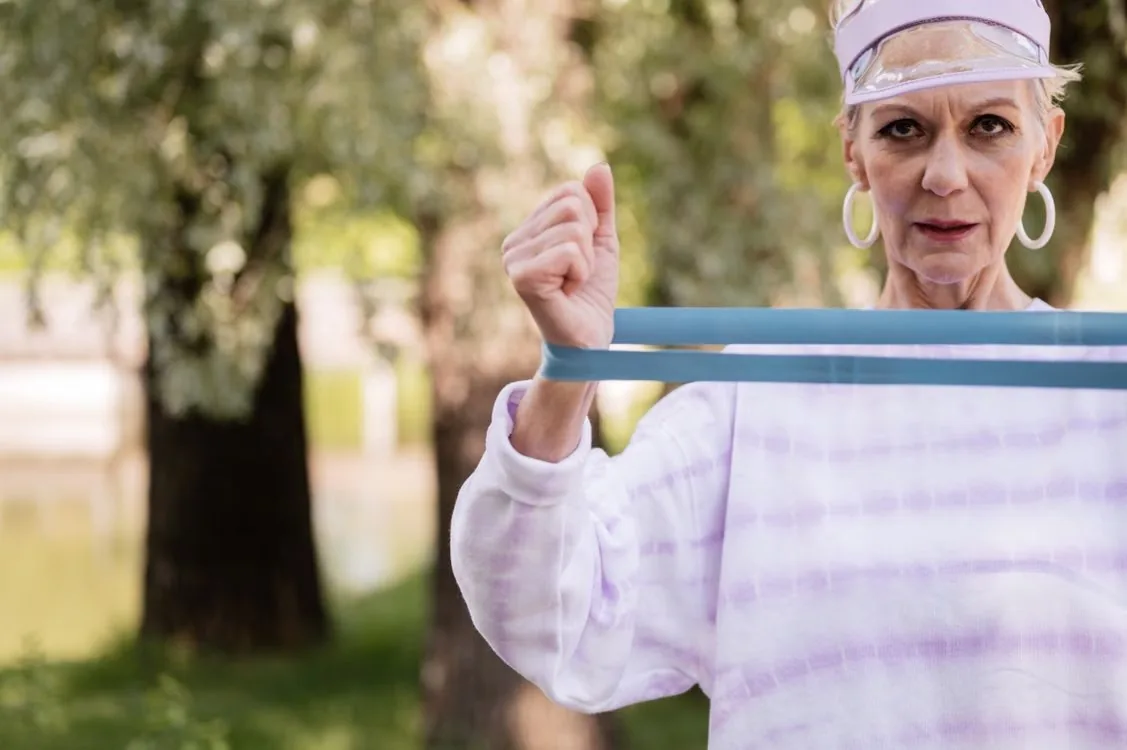
Research supports tailored physical activity as one option for managing cancer-related fatigue. Prolonged inactivity can reduce strength and fitness, making daily tasks feel harder. Appropriate activity may help interrupt that pattern, but it is not a cure for every cause of exhaustion and should sit alongside assessment and other support.
Start with an amount that fits your current ability and any restrictions from your team. A brief comfortable walk or gentle movement break may be a reasonable discussion point. If activity causes marked, delayed or prolonged worsening, do not follow a rigid progression or push through it. Stop increasing the load and ask your clinician for a review.
Sleep, food and emotional support
A predictable bedtime and waking time may support sleep, while long daytime sleeping can make nights more difficult for some people. Persistent insomnia needs attention; tell your team if you are awake for long periods or sleep is unrefreshing. Advice should be tailored rather than simply telling you to sleep more.
Regular meals and drinks may help you meet your needs, but treatment-related nausea, mouth problems or appetite changes can make this difficult. Ask about a dietitian when eating is a struggle or weight is changing unintentionally. Worry, low mood and uncertainty also deserve support. Psychological therapies can be part of fatigue care; this does not make fatigue imaginary.
When to seek help promptly
Arrange a review if fatigue is worsening, substantially affects daily life or appears with new symptoms. During chemotherapy, feeling acutely unwell, a temperature or infection symptoms require urgent contact with your cancer team using your treatment instructions. Resting or exercising is not a substitute for that call.
In the UK, call 999 for severe breathing difficulty, collapse or chest pain suggesting an emergency. NHS 111 can provide urgent advice when you are unsure where to turn. Outside the UK contact local emergency or urgent medical services. New symptoms should be assessed before you continue a planned session.
A more useful recovery goal
Instead of asking whether you can return immediately to your old routine, choose a practical goal: making lunch with fewer breaks, taking a short walk comfortably or concentrating on a favourite activity. Review the goal with your team as your situation changes. MOLA CLUB can discuss appropriate movement support, while clinical assessment remains with your healthcare professionals.
References & further reading
- Macmillan — Tiredness (fatigue) and cancer
- Cancer Research UK — Causes of cancer fatigue
- National Cancer Institute — Fatigue and Cancer
- ASCO–SIO — Management of Fatigue in Adult Survivors of Cancer
- NHS — Chemotherapy
Sources checked on 28 October 2026. Referencing an organisation does not imply its endorsement of MOLA CLUB.