
Joint pain needs an explanation, not an assumption
Joint pain after cancer treatment can have several causes. Some treatments, including hormone therapy for breast cancer, can cause joint and muscle symptoms. Reduced activity, an existing joint condition or a separate health problem may also contribute. The timing alone does not prove that treatment is the cause.
Tell your cancer team or GP if pain is new, persistent, worsening or affecting sleep and daily life. Exercise can sometimes support comfort and function, but it cannot diagnose the problem. You do not need to wait until pain becomes severe before asking for help.
What treatment-related symptoms can feel like
People taking hormone therapy for breast cancer may experience aching, stiffness or muscle discomfort. The pattern and severity vary. If medication is involved, there may be ways to manage symptoms while protecting the benefit of treatment. Do not stop, reduce or switch prescribed cancer medication yourself.
It can be difficult to distinguish a joint problem from pain in nearby muscles, tendons or bones. Rather than deciding on a diagnosis, explain where the discomfort is and how it behaves. Pain that occurs at rest, wakes you repeatedly or is steadily changing should be reported, not labelled as ordinary exercise soreness.
Prepare a useful symptom description
Before a review, note when the pain began, which joints are affected and whether symptoms occur on one or both sides. Record swelling, warmth, changes in movement and how long stiffness lasts after waking or sitting. Mention recent falls, changes in treatment and any new medicines.
Choose two everyday examples: perhaps opening jars, dressing, walking or getting comfortable in bed. Describing the effect on your life helps your clinician understand what support matters most. A simple record over several days may be useful, but do not postpone an urgent assessment to complete a diary.
When movement may help
Once concerning causes have been considered and your team agrees, gentle movement and appropriate strengthening may help some people manage stiffness and maintain function. The aim is a tolerable routine, not proving that you can exercise through pain. A physiotherapist can help when pain makes movement difficult.
Try discussing activities you enjoy and can access consistently. Depending on your situation, supported mobility work, walking or a suitable low-impact activity may be options. Swimming is not suitable for every person during treatment, particularly with certain lines, unhealed wounds or irritated skin, so check first rather than assuming that water exercise is automatically safe.
Adapt the task rather than forcing the joint
Consider whether the activity can be made easier: a smaller movement, lighter resistance, a shorter session or a supported position. Choose one change and observe the response. If a particular movement produces sharp pain, instability or worsening swelling, stop that activity and ask for advice.
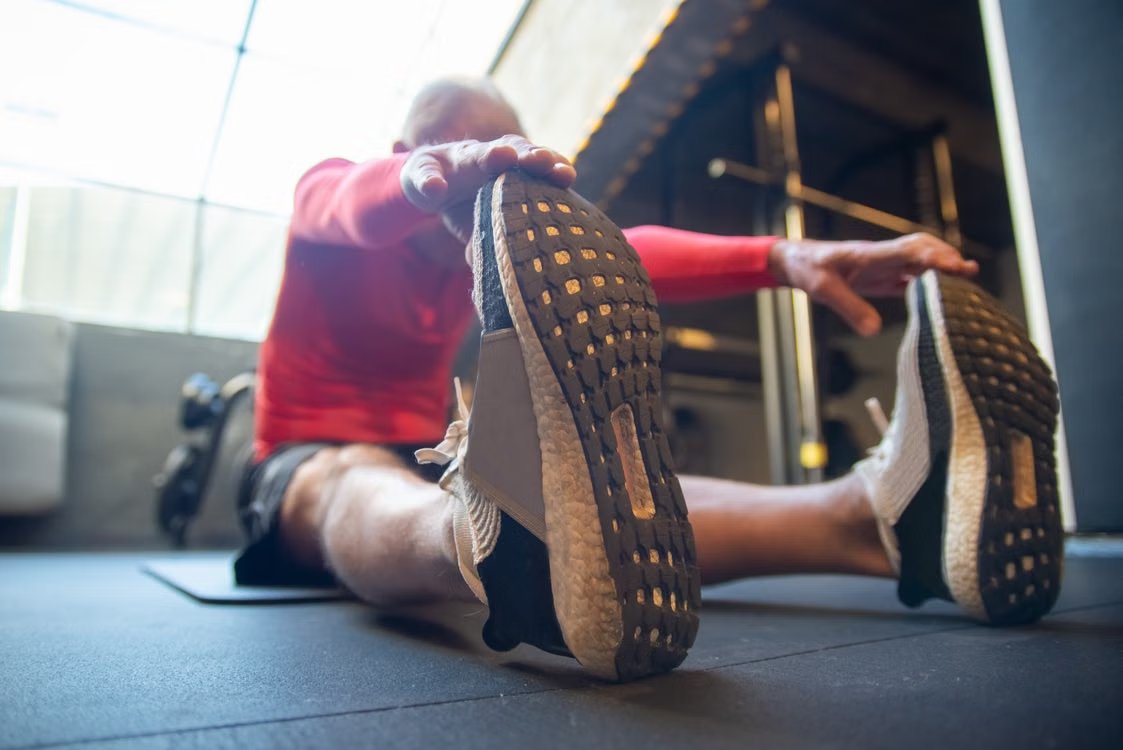
A warm-up can be a gradual introduction to the same comfortable movements you intend to use. You do not need aggressive stretches to make exercise worthwhile. Comparing your movement with someone else in a class is rarely useful; their diagnosis, treatment and current capacity may be different.
Avoid the all-or-nothing cycle
A difficult day does not mean that every movement must stop, but it may require a different plan. Conversely, a better day does not mean you must catch up on everything you missed. Agree with your clinician how to respond to flare-ups and which signs should trigger another review.
Make the plan specific enough to use. For example, ask what to do if symptoms increase during the activity, later that evening or the next morning. Track whether the plan supports the things you need to do afterwards. A session that repeatedly leaves you unable to manage essential daily tasks needs adjustment.
Other support can matter too
Ask a pharmacist or your clinical team about suitable pain relief and possible interactions with treatment. Do not assume that an over-the-counter product or supplement is safe because it is widely available. Your team can also consider whether physiotherapy, occupational therapy or another assessment would help.
An occupational therapist may suggest ways to manage tasks that have become difficult, such as dressing or preparing food. This practical support can be useful alongside movement. Pain management is not a test of willpower, and needing several forms of help does not mean you have failed.
Symptoms that need prompt medical attention
A suddenly painful, hot or swollen joint needs urgent assessment, especially if you feel unwell or have fever or chills. In the UK, request an urgent GP appointment or contact NHS 111. During or shortly after chemotherapy, use the cancer team’s emergency contact instructions if you feel unwell or have possible infection; do not wait for a routine appointment.
Severe pain after an injury, an obviously deformed joint or inability to bear weight needs emergency assessment. Call 999 for severe breathing difficulty, collapse or other immediately life-threatening symptoms. Outside the UK, use local services. New persistent focal bone or back pain should also be reported to your cancer team; do not try to stretch it away.
What is a sensible next step?
Start by explaining your symptoms to the team who knows your treatment. Ask what might be contributing, whether any investigations or referrals are needed and which activities are currently appropriate. Bring your medication list and discharge or treatment information if you are seeing someone new.
MOLA CLUB can discuss adapted exercise and wellbeing support after suitability is considered. It does not replace oncology care or a clinical assessment of joint pain. An appropriate movement plan should sit alongside medical advice, with clear limits and a route back to your healthcare team if symptoms change.
References & further reading
- Macmillan Cancer Support: Joint and muscle pain from hormone therapy for breast cancer
- Macmillan Cancer Support: Managing cancer pain with other treatments
- NHS: Joint pain
- NHS: Septic arthritis
- NHS: Chemotherapy
Sources checked on 28 October 2026. Referencing an organisation does not imply its endorsement of MOLA CLUB.