Can exercise help?
For many people, appropriately adapted exercise during and after cancer treatment can help manage fatigue, preserve strength and support everyday physical function. It may also support mood and quality of life. The right activity depends on your treatment, symptoms, previous activity and personal goals. Exercise is supportive care: it does not replace cancer treatment, medical assessment or prescribed rehabilitation.
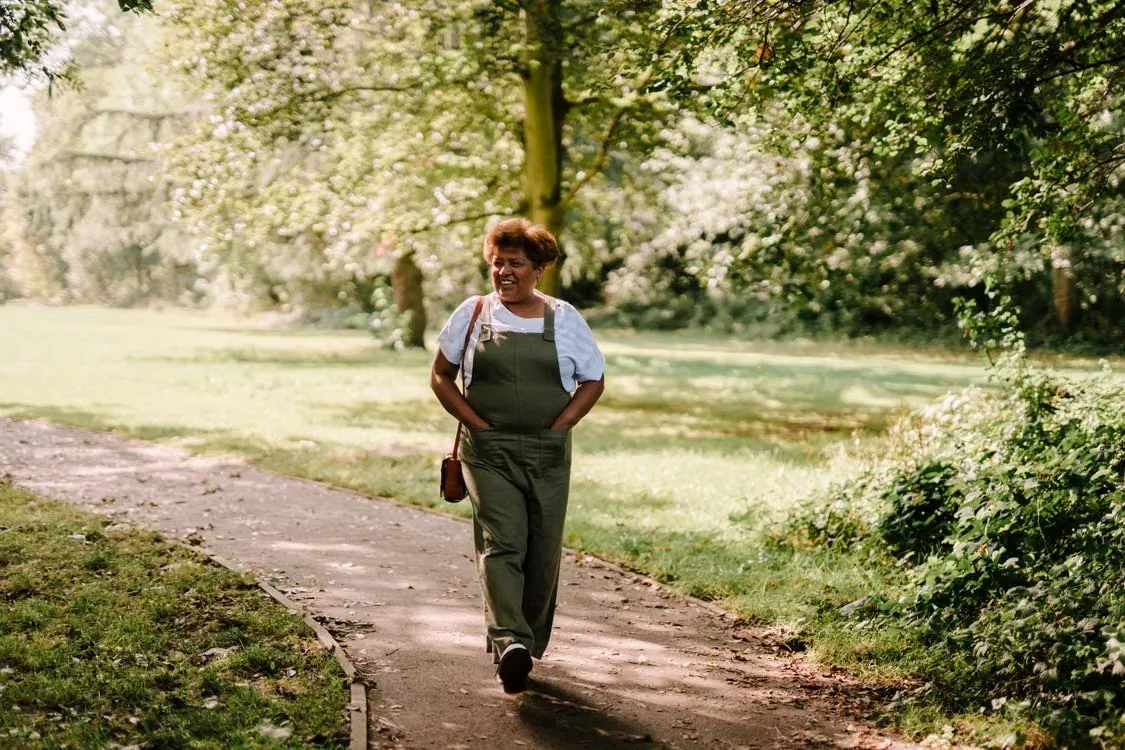
You do not have to feel ready for a gym or a demanding class. Movement might mean a short walk, a comfortable seated activity or practising a task that matters to you. Being able to get dressed more easily or walk to a nearby shop can be a meaningful goal.
What the evidence does and does not tell us
The ASCO guideline on exercise during treatment recommends aerobic and resistance exercise for people receiving treatment with curative intent, with individual safety considerations. Benefits include maintaining fitness, function and strength and reducing fatigue. Research findings are averages across groups; they cannot predict exactly how you will respond.
A better day after moving is encouraging, but it does not mean the cancer has changed. Likewise, a difficult day does not mean that you have failed. Claims about preventing recurrence or extending survival need evidence specific to a cancer type, treatment and programme. A general exercise class should never promise these outcomes.
Begin with the activity you can manage today
Before starting a new programme, ask your cancer team whether you need particular restrictions or a referral. Explain what you would like to do, rather than asking only whether exercise is allowed. A walk, a resistance session and a yoga class place different demands on your body.
Choose a small, realistic starting activity in a familiar place. If your team agrees, try a brief comfortable walk or movement break and notice how you feel during it, afterwards and the following day. You can split activity across the day. Avoid trying to make up missed sessions or matching what you could do before treatment.
Combine different kinds of movement
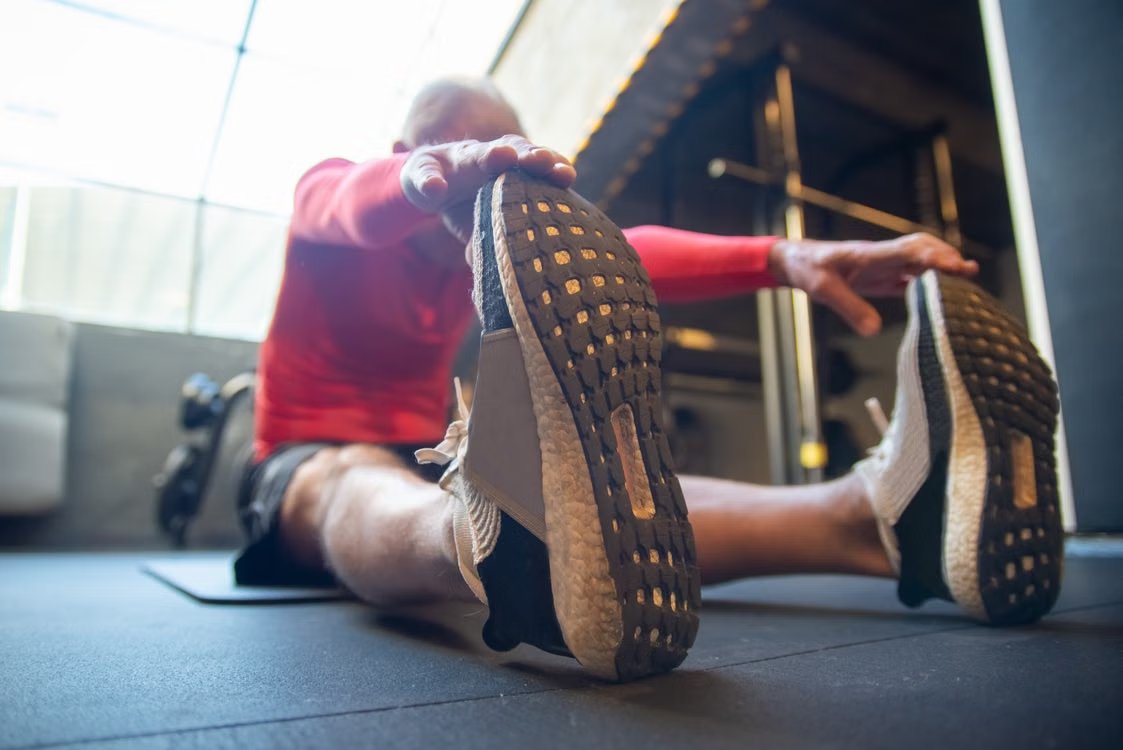
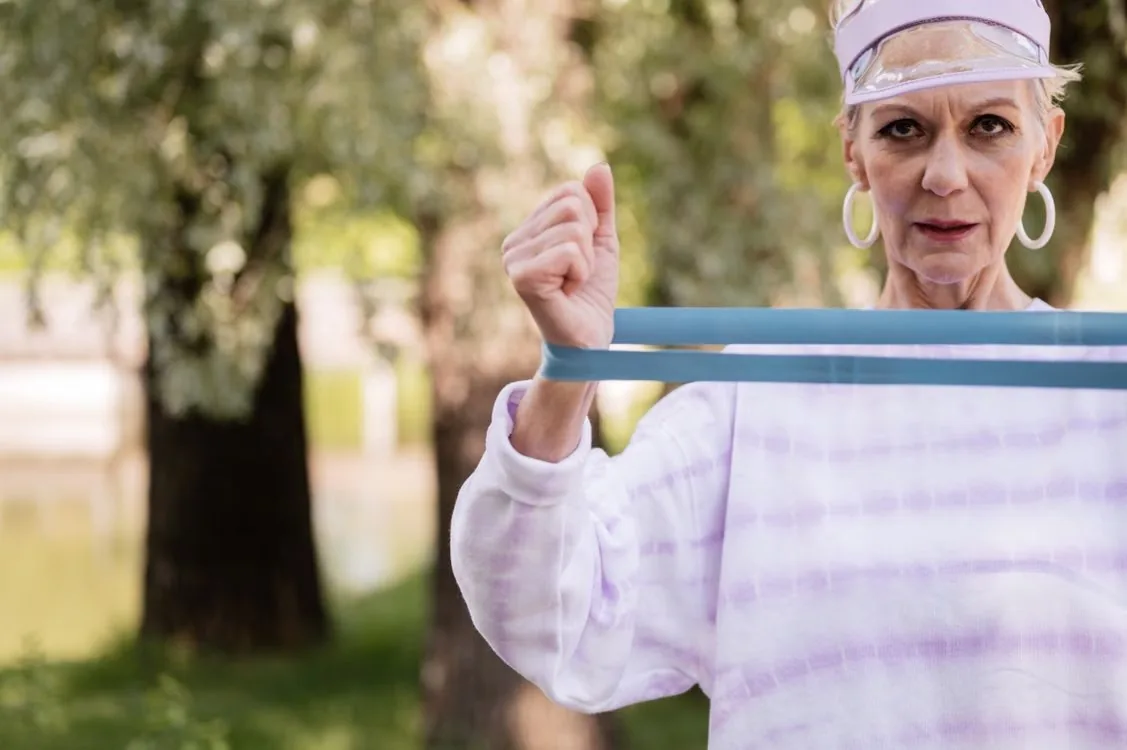
Aerobic movement, such as walking or cycling when appropriate, challenges your circulation and breathing. Strength activities work muscles against resistance. Mobility activities help you explore comfortable movement, while balance work may support confidence on your feet. These are complementary options; you do not need to add everything at once.
Progress might mean moving more regularly, tolerating an everyday task more comfortably or gradually increasing a session. Change one feature at a time so you can recognise what suits you. If you are unsure how to adapt an exercise, ask a clinician or an exercise professional with relevant cancer experience.
When extra adaptation matters
Bone metastases or osteoporosis, recent surgery, altered sensation, a stoma, lymphoedema and heart or lung problems can change exercise decisions. They do not all have the same restrictions. For example, balance difficulties may make unsupported standing activities unsuitable, and affected bones may require limits on impact or loading.
Tell the instructor about agreed restrictions before the session. An online instructor has limited ability to assess your surroundings or respond physically if you become unwell. Use a stable space, keep a phone nearby and establish what to do if symptoms occur. Do not send private medical details through a public comment or a general enquiry form.
Make movement fit your energy
Fatigue is not simply a lack of motivation. Plan activity around your treatment pattern and the times when you usually feel more able. Allow space for rest, meals and ordinary responsibilities. An activity diary can help you describe patterns to your team, without turning every day into a performance test.
If activity repeatedly causes a marked or prolonged worsening, stop increasing it and seek advice. Pain, anaemia, sleep problems, nutrition and other health conditions may need attention alongside an exercise plan. Sometimes the most useful next step is a clinical review, an occupational therapy referral or help with daily tasks.
Stop signs and getting help
Stop if you develop chest pain, unexpected breathing difficulty, faintness, palpitations or unusual bone or back pain. In the UK call 999 for severe breathing difficulty, collapse or chest pain suggestive of an emergency. New or worsening symptoms need assessment before you resume. Contact NHS 111 if you need urgent advice and are unsure where to turn.
During chemotherapy, follow your treatment alert card and contact your cancer team urgently if you feel unwell or develop a temperature or signs of infection. Do not wait for an exercise appointment. Outside the UK use local emergency and urgent medical services.
Questions to bring to your team
Ask which movements are suitable now, whether you need supervision, how to respond to changing symptoms and who to contact between appointments. Agree a goal that matters to your life. MOLA CLUB can discuss exercise and wellbeing support within its service scope, while your healthcare team remains responsible for medical assessment and treatment decisions.
References & further reading
- Cancer Research UK — Exercise and cancer
- ASCO — Exercise, Diet, and Weight Management During Cancer Treatment
- American Cancer Society — Physical Activity When You Have Cancer
- NHS — Chemotherapy
Sources checked on 28 October 2026. Referencing an organisation does not imply its endorsement of MOLA CLUB.